

Luck or skill which truly dictates the outcome in gambling
The Role of Luck in Gambling
Luck plays a significant role in the world of gambling, often being the primary factor for many players. In games of chance like slots or roulette, the outcome is entirely random, and no strategy can influence it. The unpredictability of these games can lead to substantial wins or devastating losses, illustrating how luck can sway the results drastically. This element of randomness is what draws many players to gambling, especially when considering options like casino en ligne Pinco, as each spin of the wheel or pull of the lever carries the potential for big rewards.

Moreover, many players tend to have lucky streaks that can create a false sense of confidence. They may believe that their luck is a sign of skill or foresight, but the reality is that these streaks are often temporary. This leads to the phenomenon known as the “gambler’s fallacy,” where individuals think that past outcomes will influence future ones. In reality, the odds remain the same regardless of previous results, underscoring the predominant role of luck in these scenarios.
However, it is essential to recognize that luck is not entirely random; certain psychological aspects come into play. Gamblers often experience cognitive biases that affect their perception of luck. For instance, they might remember their wins more vividly than their losses, creating a skewed view of their gambling experience. This psychological element can reinforce the belief in luck while overshadowing the reality of skill and strategy.
The Importance of Skill in Strategic Games
While luck plays a vital role in many gambling games, skill becomes increasingly important in games that require strategy, such as poker and blackjack. In poker, for instance, a player’s ability to read opponents, manage their chips, and calculate odds significantly impacts their success. Mastering these skills can often lead to consistent winnings over time, as players leverage their knowledge to outsmart their opponents. This skill-based aspect creates a more competitive environment, where seasoned players can thrive based on their expertise rather than mere chance.
In blackjack, the strategic use of skills like card counting can also tip the odds in favor of the player. Although casinos strive to counteract these techniques, the application of skill can enhance the player’s overall chances of winning. Players who invest time in learning strategies, such as basic strategy charts, can minimize the house edge and make informed decisions that increase their potential for profit.
Moreover, skillful players often develop a deep understanding of the game mechanics and probabilities, which can lead to better decision-making. This knowledge allows them to take calculated risks and identify when to fold, bet, or raise. As a result, skill in strategic games can substantially dictate the outcome, showcasing the balance between luck and ability in gambling experiences.
The Intersection of Luck and Skill
The interaction between luck and skill in gambling is complex and nuanced. In many games, a player’s skill can enhance their chances of winning, but luck is the ultimate determinant of the outcome. For instance, a highly skilled poker player may face a situation where they have the best hand but still lose due to an unlikely turn of events. This interplay demonstrates that even the most skilled players can fall victim to the whims of luck, which can lead to unpredictable results.
Additionally, the psychological impact of luck can affect skilled players as well. Even the most adept strategists can experience periods of bad luck, leading to frustration and emotional decision-making. Recognizing the balance between skill and luck is crucial for maintaining a level head while gambling. By understanding that outcomes can hinge on factors beyond their control, players can develop healthier gambling habits and avoid emotional pitfalls.
The concept of variance is another important factor in understanding this dynamic. In gambling, variance refers to the fluctuations in results that can occur over time, regardless of skill level. Skilled players may experience swings in fortune, where they encounter a series of losses despite employing effective strategies. This reinforces the idea that while skill can improve long-term outcomes, luck will always play a role in the short-term experience.
The Influence of Technology on Gambling Outcomes
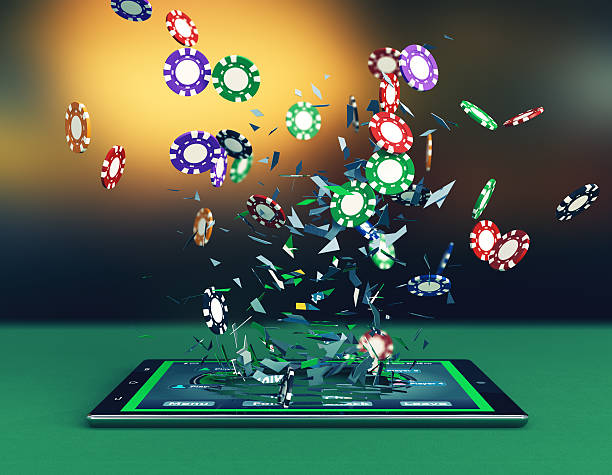
The emergence of online casinos and advanced gaming technology has transformed how players experience gambling today. With algorithms and random number generators at play, the outcomes in games are often more unpredictable than ever. Online platforms utilize sophisticated technology to ensure fairness and randomness, making it even more difficult to rely solely on skill. As a result, the reliance on luck has become more pronounced in many online gaming scenarios.
However, technology also offers tools that enhance the player’s skill set. Many online casinos provide resources such as tutorials, strategy guides, and simulations that allow players to practice and refine their skills before betting real money. This access to information empowers players to make better-informed decisions and develop strategies that could help in skill-based games like poker and blackjack.
Furthermore, advancements in data analytics and artificial intelligence are beginning to influence gambling strategies. Players can now analyze past performance data, trends, and behaviors to gain insights that can elevate their gameplay. This blend of technology and skill illustrates how the gambling landscape is evolving, making it essential for players to adapt and learn in order to stay competitive in this dynamic environment.
Conclusion: Finding Balance in Gambling
In conclusion, both luck and skill play pivotal roles in dictating the outcomes in gambling, with their influence varying across different games. For casual players who engage in games of chance, luck often reigns supreme, leading to unpredictable outcomes. On the other hand, seasoned players who engage in strategic games can leverage their skills to enhance their odds, though they must remain mindful of the ever-present element of luck.
Finding a balance between these two factors is essential for a healthy gambling experience. Understanding the nature of luck can help players manage their expectations and recognize that outcomes can fluctuate unpredictably. By developing their skills and employing effective strategies, players can enhance their enjoyment while minimizing the risks associated with gambling.
Ultimately, the thrill of gambling lies in this delicate interplay between luck and skill. For those interested in learning more about navigating this exciting world, a wealth of resources and support is available. By engaging with communities and utilizing online tools, players can enhance their understanding and experience in the realm of gambling.

