

The historical evolution of gambling A deep dive into chicken road’s journey
The Origins of Gambling
The history of gambling stretches back thousands of years, with evidence of games of chance found in ancient civilizations. From the six-sided dice used by the Babylonians to the betting activities of the Romans, gambling has always been intertwined with human culture. These early forms of gambling were often associated with rituals or social events, where luck played a crucial role in determining outcomes. Today, the thrills of the arcade can be found in games like chicken road 2, where the unpredictable nature brings the excitement of chance back to life.
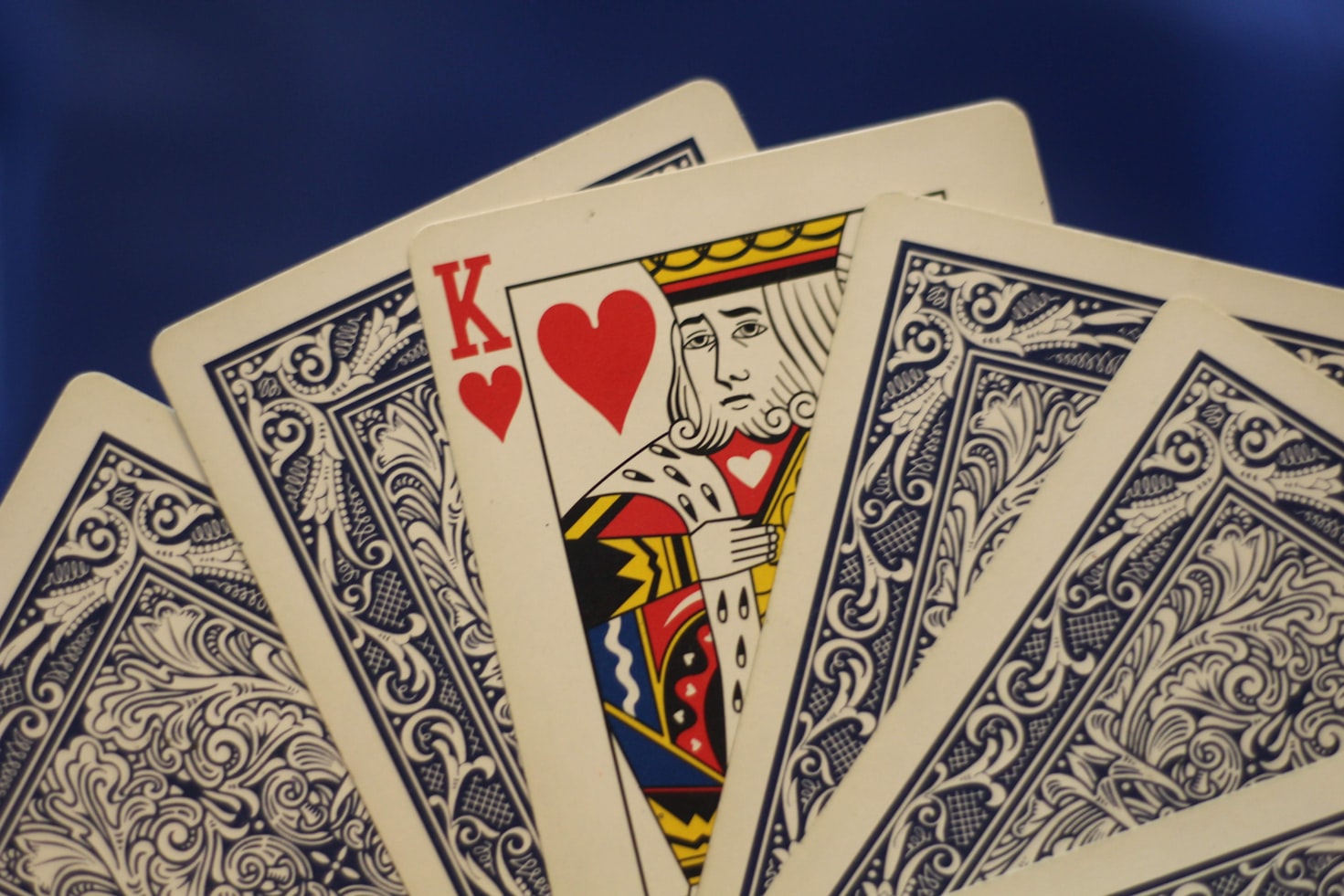
As societies evolved, so did their gambling practices. The introduction of structured games and betting systems marked a significant turning point. Cultural differences emerged, with various regions developing their unique games, rules, and betting methods, laying the groundwork for the diverse gambling landscape we see today.
The Rise of Modern Gambling
The 19th century saw a dramatic transformation in the gambling landscape, particularly with the rise of casinos and formalized betting establishments. The establishment of legal frameworks for gambling created a more regulated environment, allowing for the growth of various gaming industries. This period also witnessed the birth of iconic games such as poker and blackjack, which captured the imagination of gamblers worldwide.
With the industrial revolution, the accessibility of gambling increased significantly. Railroads enabled easier travel to casinos, and innovations in technology began to influence gaming. The introduction of slot machines in the late 19th century brought a new wave of excitement, making gambling available to the masses in a more casual setting.
Cultural Influences on Gambling
Cultural differences play a pivotal role in the evolution of gambling practices. Various societies have distinct attitudes toward gambling, influenced by factors such as religion, economics, and tradition. For example, while some cultures celebrate gambling as a form of entertainment, others view it as a vice. This divergence impacts how gambling is regulated and perceived worldwide.
In many cultures, traditional games have been preserved, while new forms of gambling have emerged alongside technological advancements. The digital age has particularly influenced gambling, with online platforms allowing for the fusion of traditional and modern gambling styles. This blending highlights the importance of cultural context in shaping gambling experiences.
The Impact of Technology on Gambling
Technology has revolutionized the gambling industry in recent years, leading to the emergence of online gaming and mobile applications. This digital transformation has made gambling more accessible, with players now able to engage in their favorite games from virtually anywhere. The rise of mobile gaming is exemplified by games like Chicken Road 2, which cater to a fast-paced, casual gaming audience.
The incorporation of technology into gambling has also introduced new dynamics, such as real-time betting and live dealer games. These innovations not only enhance user experience but also expand the market, attracting a broader demographic to gambling. As technology continues to evolve, so too will the landscape of gambling, opening up even more possibilities.

Exploring Chicken Road 2
represents a modern twist on traditional gambling by incorporating fast-paced, arcade-style gameplay. Players can immerse themselves in an exciting environment that blends strategy with quick decision-making. This game is designed to be user-friendly, making it accessible to individuals who may not have prior gambling experience.
What sets apart is its emphasis on minimal stakes and rapid rounds, catering to casual players who enjoy the thrill of risk without substantial financial commitments. As the game gains popularity, it reflects the ongoing evolution of gambling and its adaptation to contemporary preferences. Exploring games like provides insight into how gambling continues to evolve with the times.

